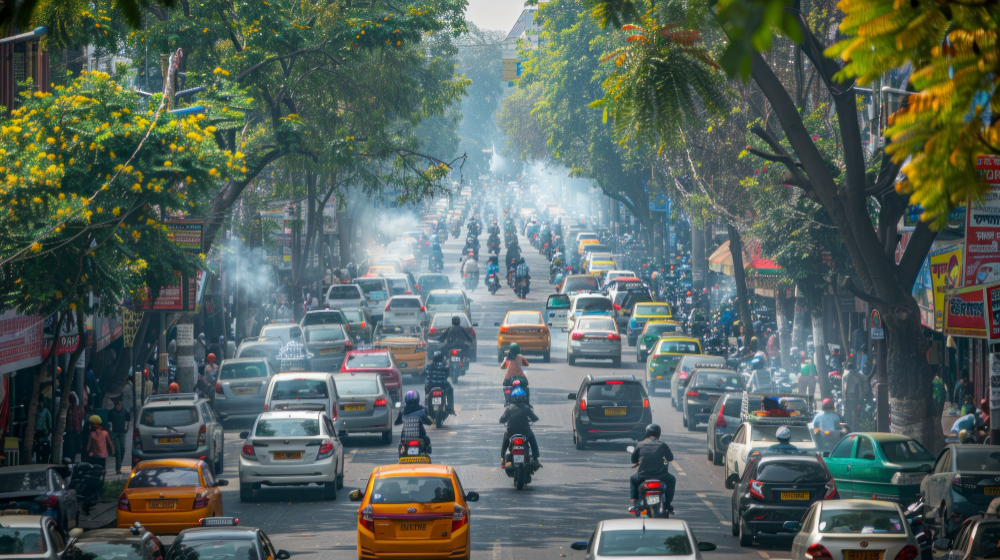
Air pollution has become a growing concern in Thailand, especially in urban areas like Bangkok and Chiang Mai. One of the most talked-about pollutants is PM2.5, which can affect daily health even when it is not visible.
Understanding what PM2.5 is and how to manage exposure is an important step toward better everyday protection.
What Is PM2.5 and Why It Matters
PM2.5 refers to fine particles in the air that are small enough to be inhaled into the lungs. These particles often come from vehicle emissions, industrial activities, and seasonal haze.
Because they are so small, they can impact respiratory health and overall well-being over time, especially with regular exposure.
Why PM2.5 Is a Concern in Thailand
In Thailand, PM2.5 levels tend to rise during certain periods of the year, particularly in high-traffic cities and during dry seasons. Daily activities such as commuting or spending time outdoors can increase exposure.
Even when air quality appears normal, these particles may still be present, making consistent protection important.
How to Reduce Daily Exposure
Reducing exposure to PM2.5 does not require major lifestyle changes. Simple daily habits can make a difference.
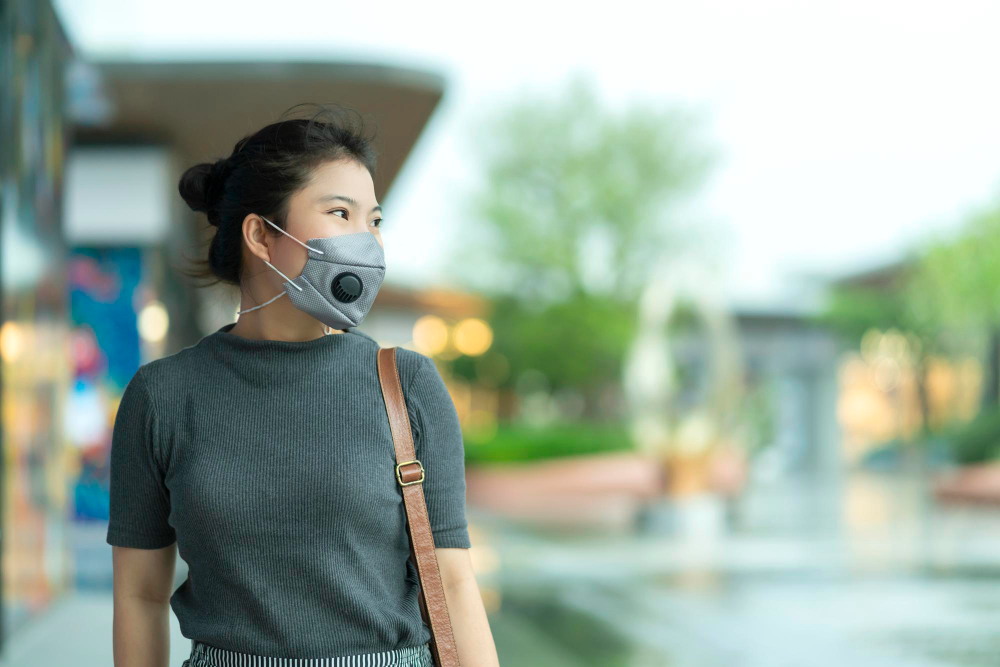
Wearing a quality face mask in high-exposure environments, limiting time outdoors during peak pollution periods, and being mindful of crowded areas can all help lower risk.
Choosing the Right Protection
Not all masks provide the same level of protection against fine particles. Masks designed with higher filtration efficiency, such as those used for respiratory protection, are more suitable for PM2.5 conditions.
Comfort is also important, especially for daily wear in Thailand’s warm climate. A well-fitted and breathable mask encourages consistent use.
Supporting Everyday Health with Reliable Products
As awareness of air quality increases, consumers are placing more importance on choosing reliable healthcare products. Quality, consistency, and proper design all contribute to effective protection.
I-TEC, under Steel Elite International Pte Ltd, focuses on healthcare products designed for everyday environments, helping individuals maintain protection without compromising comfort.
Conclusion
PM2.5 is an ongoing concern in Thailand, but managing exposure can be simple with the right approach. By understanding the risks and adopting practical habits, individuals can better protect their health in daily life.
Consistent use of quality protective products remains one of the most effective ways to stay prepared in changing environmental conditions.