Many people assume that being indoors means they are protected from air pollution. After all, stepping into an office, shopping mall, or building feels like an escape from traffic and dust outside. However, indoor air is not always as clean as it seems, especially in busy cities across Vietnam.
In reality, indoor air quality depends heavily on ventilation and airflow. In buildings where windows are sealed and air circulation is limited, pollutants from outside can become trapped inside. Over time, these particles accumulate, creating an environment where the air may feel comfortable but still contains harmful substances.
A common issue in urban offices is the gradual buildup of fine particles such as PM2.5. These particles enter through doors, ventilation systems, and even on clothing. Without proper filtration or fresh air exchange, they remain in the indoor environment for extended periods. This means that even if you spend most of your day indoors, you may still be exposed to polluted air.
There are also additional indoor factors that can affect air quality. Dust from carpets and furniture, chemicals from cleaning products, and poor airflow in enclosed spaces can all contribute to a less healthy environment. In underground parking areas or older buildings, the situation can be even more noticeable due to limited ventilation.
Signs of poor indoor air quality are often subtle. You might experience mild discomfort such as dry throat, headaches, or a feeling of stuffiness during the day. These symptoms are easy to ignore, but over time they may indicate that the air you are breathing is not as clean as expected.
Improving indoor air quality does not always require major changes. Small adjustments can help reduce exposure and create a healthier environment. Allowing fresh air to circulate when possible, avoiding overcrowded enclosed spaces, and being mindful of air flow within a room can all make a difference.
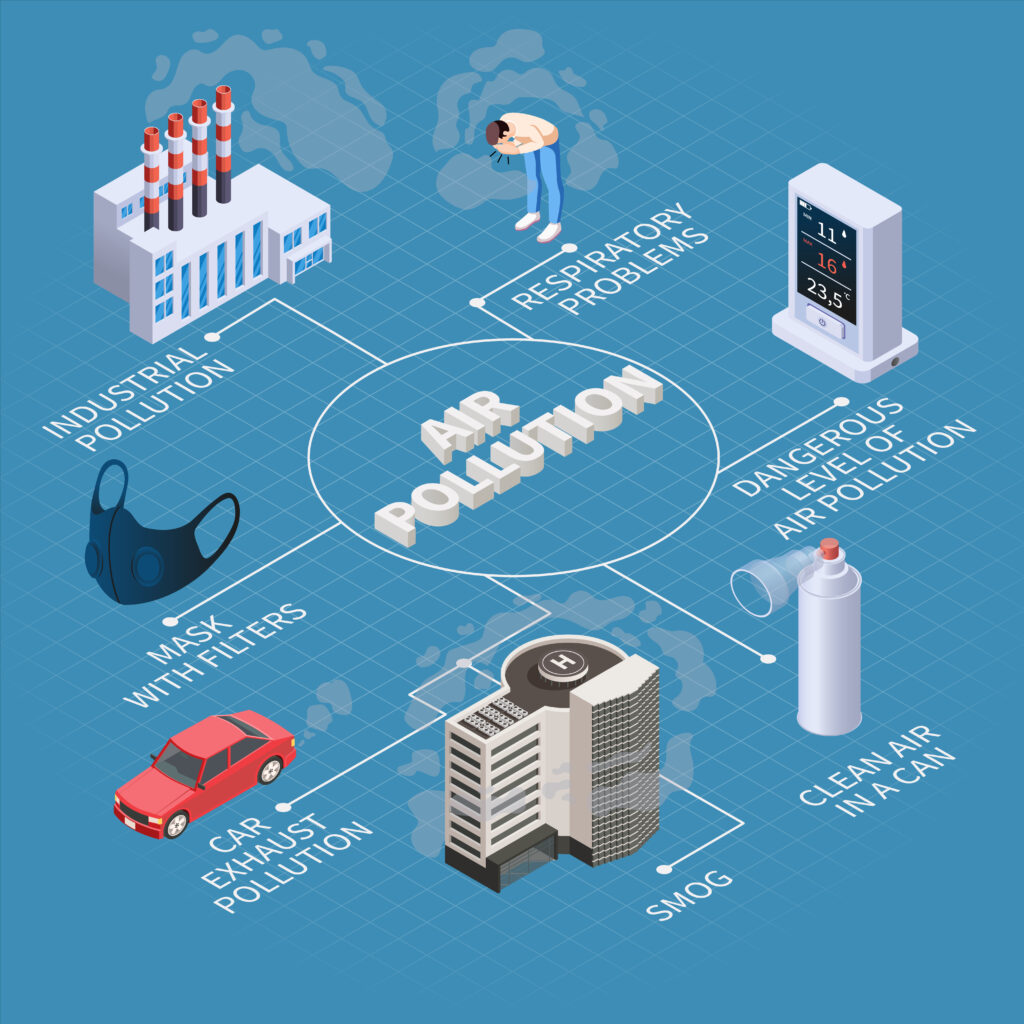
At the same time, personal protection still plays an important role. In situations where ventilation is uncertain or when spending long hours in enclosed environments, using a well-fitted mask can provide an added layer of protection. Masks designed for effective filtration can help reduce the amount of fine particles inhaled throughout the day.
In urban Vietnam, air pollution is not only an outdoor issue. It can follow you into offices and indoor spaces without being immediately noticeable. Taking a more proactive approach to indoor air quality, along with choosing reliable protection such as I-TEC’s KN95 or disposable face masks, can help support better respiratory health even while you are inside.