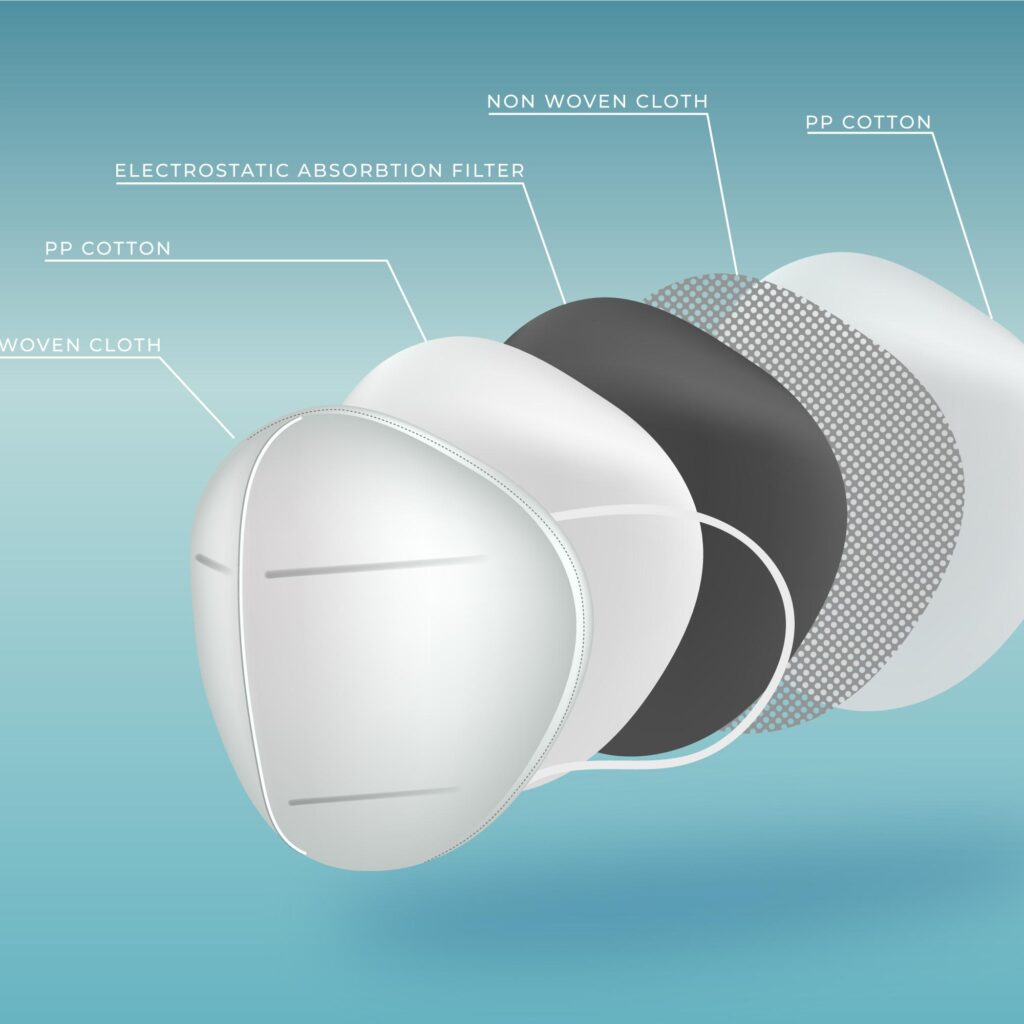
Not All Masks Offer the Same Protection
With so many types of face masks available, it can be difficult to know which ones truly work. While many masks may look similar, their effectiveness can vary depending on materials, design, and overall quality.
Filtration Is What Matters Most
A protective mask should be able to filter fine particles such as PM2.5. Masks designed for higher filtration provide better protection against pollutants that are small enough to enter the lungs. Without this capability, a mask may offer basic coverage but limited real protection.
Fit Determines Real Effectiveness
Even a mask with good filtration will not perform well if it does not fit properly. A secure fit around the nose and mouth helps ensure that air passes through the filter instead of leaking in from the sides. Gaps reduce the overall effectiveness of any mask.
Look for Recognized Standards
Certification is a useful way to identify reliable masks. Standards such as KN95 or FFP2 indicate that the mask has been tested for filtration performance. Choosing masks that meet these standards can help ensure more consistent protection.
A Quick Self-Check
You can assess your mask with a few simple checks. A good mask should feel secure without constant adjustment, allow comfortable breathing, and stay in place during movement. If it meets these conditions, it is more likely to provide effective protection.
Consistency Is Just as Important
Wearing a high-quality mask occasionally is not enough. Protection depends on consistent use, especially in environments where exposure is higher. Making it part of your daily routine improves its overall effectiveness.
Choosing a Reliable Option
In urban environments where air quality can change throughout the day, selecting a mask that balances filtration, fit, and comfort is essential. Choosing reliable options, such as I-TEC’s KN95 or disposable face masks, helps ensure your protection remains effective and consistent in everyday situations.