How Weather and Seasonal Changes Affect Air Quality in Vietnam
Posted onby
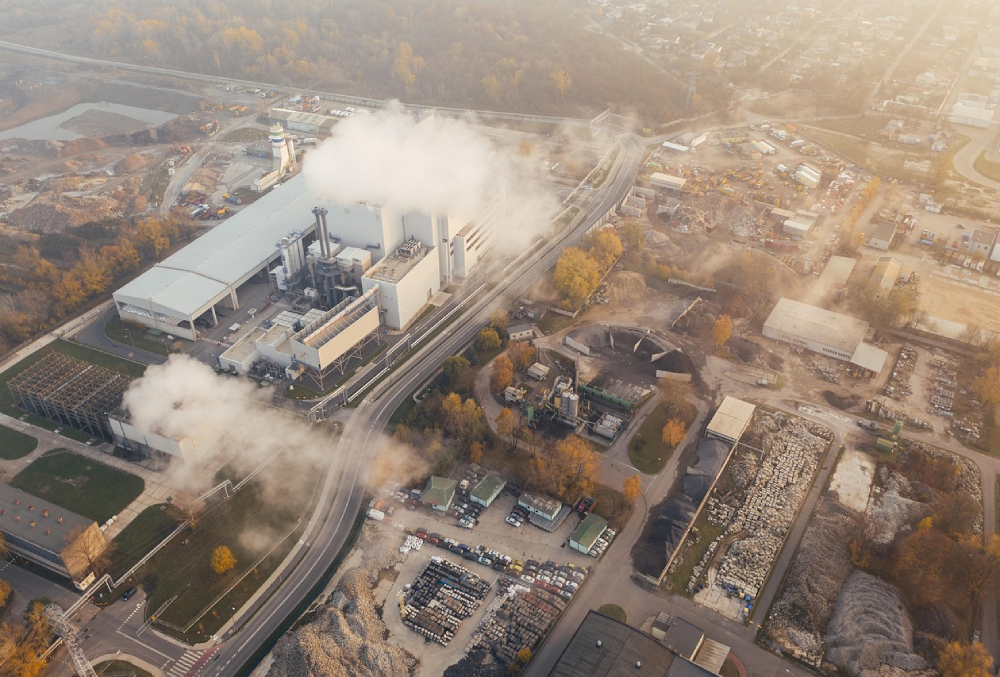
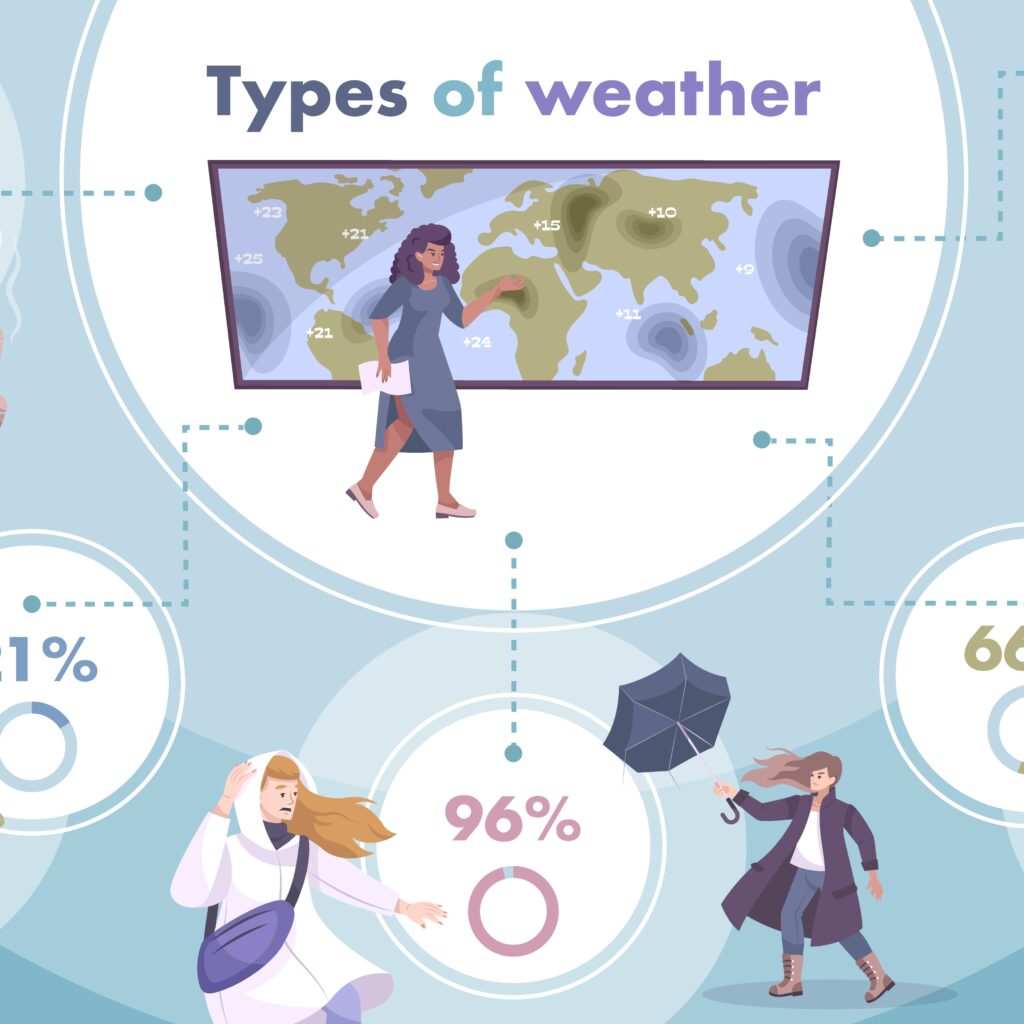
Air quality in Vietnam changes throughout the year, influenced by weather patterns and seasonal shifts. Some days feel noticeably clearer, while others feel heavy and polluted. Understanding these patterns can help you better manage your daily exposure.
Dry Season and Rising Pollution
During dry periods, pollution levels tend to increase. With little or no rain to clear the air, dust and fine particles remain suspended for longer. In busy cities, this often leads to visible haze and discomfort when breathing.
Rainfall and Temporary Relief
Rain can improve air quality by washing pollutants out of the air. However, this improvement is usually short-term. Once the rain stops, pollution can build up again, especially in high-traffic areas.
Temperature and Air Circulation
Temperature plays a key role in how pollution behaves:
Cooler conditions can trap pollutants closer to the ground
Hot and stagnant weather can limit air movement
Both situations can lead to higher pollution levels
Wind and Air Movement
Wind helps disperse pollutants and improve air quality. On days with little airflow, pollution tends to linger in the same area, increasing overall exposure.
Why This Matters for Daily Life
These environmental changes mean that pollution levels are not constant. On certain days, exposure can be significantly higher without being immediately obvious. Paying attention to weather conditions can help you recognize when to take extra precautions.
Staying Protected Throughout the Year
Since air quality fluctuates with the weather, consistent protection is important. Limiting outdoor exposure during high pollution periods and using proper protection can make a difference. Choosing reliable options such as I-TEC’s KN95 or disposable face masks helps reduce exposure and supports better respiratory health, regardless of seasonal changes.